Bamboo flooring earns attention for two reasons that matter on every project: it looks good, and it performs with a lighter footprint than many traditional woods. When clients ask whether bamboo is truly sustainable, or whether it will hold up to kids, dogs, and Chicago winters, the answer depends on how the product is made, what room it goes in, and how it is installed. Bamboo can be a durable, beautiful, and eco-minded choice. It can also disappoint if a buyer treats all bamboo as equal. The difference lies in the details: species, harvest cycles, adhesive chemistry, milling, and the finishing system.
What makes bamboo different from hardwood
Bamboo is a grass, not a hardwood tree. A Moso bamboo culm reaches maturity in about 5 to 6 years. Many hardwoods used in domestic flooring take several decades to mature. A responsible bamboo operation harvests on a rotation, cutting only mature stalks and leaving the root network intact so the plant regenerates. That growth pattern, coupled with properly managed forests, is why bamboo appears on almost every list of sustainable building materials for eco-conscious homeowners. It is not impact-free, but the yield per acre over time is hard to match.
Structurally, bamboo flooring comes in two main constructions. Traditional vertical or horizontal bamboo is made by slicing the stalk into strips, boiling to remove sugars, drying, then gluing the strips into planks. Strand woven bamboo is different. Manufacturers shred the fibers, add resin, then compress the mass under heat and pressure. The resulting plank is dense, often harder than oak and maple on a standardized hardness scale. On job sites, that density means fewer dents from chair legs and toy trucks, but it also means more saw blades and patience during installation.
Aesthetics, color, and character
Clients often expect bamboo to look pale and uniform. That is true of classic vertical-grain bamboo, which has a clean, linear pattern that pairs well with minimal, modern rooms. Horizontal-grain shows wider “nodes,” which adds visual rhythm. Strand bamboo has the most character. Depending on the manufacturer, it can read as a knotted, organic texture or a sleek, even surface. Stains range from whitewashed to espresso. Carbonized bamboo, which is heat treated to darken the color, typically loses some hardness in the process. If a household includes large dogs, I steer them to a non-carbonized, factory-stained strand product for better durability.
In open concept vs. traditional layouts, bamboo plays two roles. In open space, the planks become a single visual field that ties living, kitchen, and dining together. Choose a calm grain and a mid-tone finish to avoid visual noise. In traditional compartmentalized homes, bamboo can transition nicely to tile or carpet, but plan thresholds carefully. The direction of the planks relative to natural light matters as well. To maximize natural light in your home renovation, run planks perpendicular to the main window wall so seams catch less glare and the floor reads evenly.
How bamboo performs under pressure
On paper, strand woven bamboo is usually rated above oak on https://messiahjyey926.image-perth.org/bathroom-lighting-creating-the-perfect-ambiance-for-relaxation the Janka hardness scale. That tells part of the story. A floor’s performance under actual family life depends on surface finish, dent resistance, and core stability. A high-quality aluminum oxide finish resists micro-scratches from grit, but any dark satin floor will show dust sooner than a light matte one. In high-traffic zones, I prefer a low-sheen finish. It hides scuffs and keeps maintenance simple. If a client has a rule about shoes off at the door and felt pads under chairs, bamboo will look fresh for years. If they host large parties weekly and have a 70 pound dog that loves to slide after a tennis ball, expect patina.
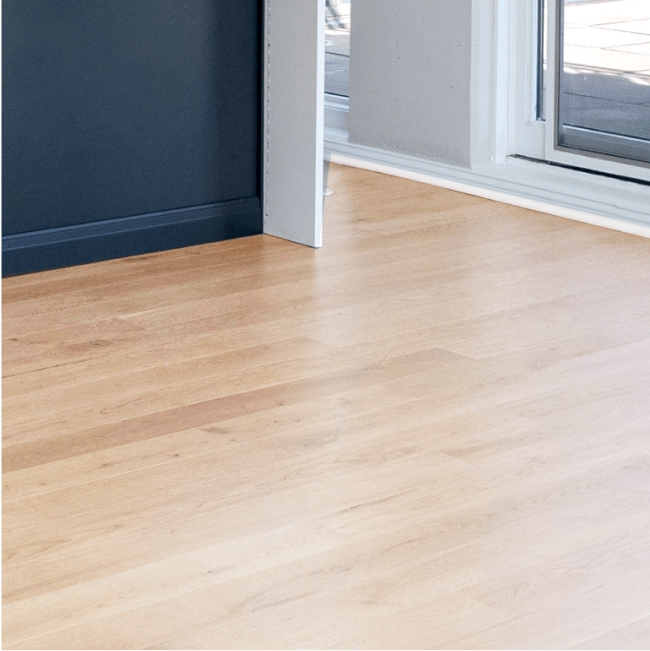
When the conversation turns to radiant floor heating, bamboo can be compatible if the product is warranted for radiant and the heating system is properly controlled. Keep surface temperature below manufacturer limits, usually around 80 to 85 degrees Fahrenheit. Bamboo expands and contracts less than some solid hardwoods because of its engineered construction. Even so, acclimation and climate control are non-negotiable. Maintaining indoor humidity around 35 to 55 percent reduces gapping in winter and cupping in summer, a best practice for the best flooring for Chicago’s climate extremes where deep cold and humid summers collide.
What to ask before you buy
Not all bamboo is equal. Manufacturing choices, adhesive chemistry, and quality control separate reliable products from those that off-gas or fail early. Look for third-party certifications that verify low emissions. Floors that meet recognized indoor air quality standards reduce the risk of high formaldehyde levels. Ask for the emissions rating in writing and confirm the finish system is low VOC. If you want a deeper sustainability profile, look for documentation on forest stewardship and harvest rotation.
Longevity depends on thickness too. A strand bamboo wear layer around 3 to 4 millimeters can handle a professional resand at least once. Many bamboo floors marketed as solid are actually solid strand from top to bottom, which can be sanded a few times, but the density makes sanding more laborious. If you want the future option to change color, consider a product with enough wear layer to handle refinishing.
Installation choices that matter
Subfloor prep makes or breaks a floor. Bamboo needs a flat substrate. I budget time to check for dips and crowns, then use a floor leveling compound as needed. If a floor squeaks before install, it will squeak louder afterward. Drive screws into joists to tighten any loose sheathing before laying underlayment. Those extra hours save phone calls later.
The installation method, nail-down vs. glue-down, gets decided by product and site conditions. Over wood subfloors, nail-down is straightforward, but strand bamboo’s density can split tongues if you use the wrong cleats or the wrong angle. I rely on manufacturer-recommended fasteners and a consistent nailing schedule. Over concrete, a full-spread adhesive with an integrated moisture barrier is the safer route. Moisture in concrete ruins wood-based floors more often than any other cause. A calcium chloride or relative humidity test tells you what you need to know before you open a single box.
Floating installations, where planks click together without adhesives, speed up timelines and make future replacement easier. They also transmit more footfall sound. In multifamily or home office spaces where acoustics matter, adding a high-density underlayment improves sound attenuation. Clients asking how to soundproof rooms during your renovation should think of the floor as one part of a system. If you want a quiet space, pair the floor with area rugs, soft treatments, and well-sealed doors.
Practical care and maintenance
Bamboo deserves the same common-sense care as hardwood. Use felt pads, capture grit at entry with a good mat, and maintain a stable indoor climate. Damp mop with a cleaner formulated for polyurethane finishes. Avoid oil soaps, steam mops, or anything that leaves a film. For high-traffic kitchens where spills are constant, I often steer clients toward tile or luxury vinyl if they want maximum forgiveness. If they love the warmth of wood underfoot while cooking, a strand bamboo with a hard factory finish and a runner along the work triangle performs well. Pet owners should trim nails and keep a towel by the back door. If the primary goal is claw-proof flooring, porcelain tile still wins the durability test, but bamboo can be an excellent compromise between toughness and comfort.
Where bamboo belongs, and where it does not
I have installed strand bamboo in living rooms, bedrooms, hallways, and home offices without issues. For below-grade basements, the best flooring for basements and below-grade spaces is usually not bamboo. Even with a moisture barrier, the risk of humidity swings and seepage suggests a different material. Cork, rubber, or certain vinyls tolerate moisture better. In bathrooms, a half bath with careful moisture control can handle bamboo, but not next to a frequently used shower. In mudrooms designed for Chicago weather, melted snow and road salt chew on any wood product. If the client insists, design the mudroom with a flush tile pan at the entry, then transition to bamboo once you are past the wet zone.
Budgeting and value
Clients planning how to plan a home renovation on a budget often expect bamboo to be cheaper than hardwood. That was true a decade ago for basic horizontal bamboo, but premium strand products with strong warranties sit in the same price band as quality engineered oak. The hidden costs of home remodeling and how to avoid them apply here. If you skimp on moisture mitigation, underlayment, or subfloor prep, any initial savings can vanish in repairs. A realistic budget for a bamboo installation includes acclimation time, minor leveling, the right adhesive or fasteners, trims, and finish transitions to adjoining rooms.
From a resale perspective, bamboo reads as a modern, eco-forward choice. In Chicago home remodeling trends to watch in 2025, warmer mid-tones and low-sheen finishes continue to lead, and bamboo fits that look. If you are considering how to increase home value with strategic renovations, flooring often delivers a strong return because it touches every room visually. That said, choose a finish that will not feel dated in five years. Two-tone floors or high-gloss espresso can feel heavy in small spaces. A natural or light-walnut stain keeps options open for future buyers.
How bamboo supports a whole-home design plan
Bamboo plays nicely with universal design. The slight pliability underfoot compared with stone reduces fatigue, helpful for all ages. In a multi-generational home, a consistent floor that minimizes thresholds reduces trip hazards. If you plan custom built-ins and storage solutions, coordinate trims and toe-kicks with the floor. A narrow reveal and a shadow line in a matching species keeps the eye moving without visual clutter. In small Chicago homes, the best storage solutions rely on vertical volume, but a continuous, light floor helps a tight plan feel larger. Pair bamboo with thoughtfully layered lighting design. Ambient lighting on dimmers, task lighting where you work, and accent lighting to graze a textured wall can transform a simple floor into a quiet backdrop for daily life.
If your renovation mixes modern and traditional styles, bamboo can bridge the gap. A vertical-grain floor lays a clean foundation for Shaker cabinetry and unlacquered brass hardware, while a darker strand plank grounds a white contemporary room. When choosing a color scheme for your entire home, sample bamboo in large boards, at least 24 inches wide, and look at them in daytime and evening light. The psychology of home design rewards these mockups. Even a 5 percent shift in tone can change how warm or cool a room feels.
A contractor’s short list: choosing better bamboo
- Prefer strand woven products for high-traffic areas; choose vertical or horizontal grain for a sleek, minimal look in low-traffic rooms. Request low-emission certification documentation and finish system details in writing. Select a low-sheen, factory-cured topcoat to reduce visible wear. Confirm the product is warranted for radiant heat if you plan to use it. Insist on acclimation and moisture testing as part of the installation scope.
Revive 360 Renovations on installation planning and pitfalls
On several projects, our team at Revive 360 Renovations was brought in after a DIY attempt failed due to moisture. In one bungalow, the homeowner glued bamboo directly over a concrete slab without a vapor barrier. Within a year, edges curled and boards lifted. We removed the floor, mitigated slab moisture to target levels, applied a two-part moisture barrier, then reinstalled with a compatible adhesive. The floor has stayed flat through two Chicago summers and two winters. The lesson is simple. Bamboo is not fragile, but it will not forgive basic process mistakes.
In another case, a client wanted a floating installation to speed up a remodeling timeline that had slipped. We reviewed their plan for integrating smart home technology during remodeling, specifically in-floor sensors for temperature control. By coordinating with the electrician, we avoided crossing sensor wiring paths that could have interfered with plank locking mechanisms. That minor coordination added a day on paper and saved a week of troubleshooting later. Whether you are figuring out how to create a remodeling timeline that works or just trying to live through a remodel with minimal disruption, details like sequence, acclimation, and room conditioning matter.
Detailing edges, transitions, and stairs
Stair treads and nosings deserve special attention. Pre-made bamboo stair parts can be hit and miss. I prefer to order matching treads and solid nosings from the same manufacturer when possible. If not available, a custom millwork shop can sheath existing treads in bamboo and fabricate a nosing with a proper radius. For transitions to tile, especially at a mudroom entry, use a Schluter-style metal profile in a finish that echoes your hardware. It creates a crisp, durable edge that will not splinter under traffic. Where two flooring types meet, avoid skinny “slivers.” Plan layouts to balance cuts so the eye reads an intentional design move, not a leftover.
Baseboards and shoe molding should be installed after the floor to hide expansion gaps. In tight spaces like powder rooms, the benefits of under-cabinet lighting do double duty, adding both task light and perceived depth, which can make a small, pale bamboo floor feel wider.
Refinishing and repair
Can bamboo be refinished? Usually yes, with caveats. Traditional vertical or horizontal bamboo with a thick wear layer sands similarly to soft hardwoods. Strand bamboo is harder. It will gum up sandpaper if the wrong grit or speed is used. A pro crew with the right abrasives can recoat or fully sand a strand floor. Spot repair is trickier than on oak because of the linear grain or strand pattern. If a board gets deeply scratched, replacing a plank within a glue-down field is surgical work. Keep a few extra boxes from the original lot for future repairs. Color batches can vary, and you will thank yourself for that foresight.
Indoor air quality and adhesives
Concerns about adhesives in bamboo are valid. Early imports built with high-formaldehyde urea-formaldehyde resins damaged the category’s reputation. Reputable products now use low-emission adhesives, and many manufacturers submit to third-party indoor air certifications. On site, choose a low-VOC adhesive for glue-down installs. The adhesive chemistry in the field matters as much as the resin inside the plank. If someone in the household is sensitive to odors, schedule installation when windows can remain cracked for cross-ventilation, and consider running air scrubbers for a day after install.
How bamboo compares to alternatives
For pet-focused households, porcelain tile with rugs remains the top performer. For clients asking the best flooring options for pet owners who also want warmth, strand bamboo competes well with engineered oak that has a strong factory finish. Compared to laminate, bamboo offers a more authentic underfoot feel and can be refinished, while laminate cannot. Against cork, bamboo is harder and more scratch resistant, but cork wins on acoustic comfort. Reclaimed wood flooring brings unmatched character. If the goal is the story in every board, reclaimed wins. If the goal is a modern look that balances sustainability, bamboo stands tall.
In kitchens, the best countertop materials for busy families often lean toward quartz for practicality. Bamboo floors beneath those counters bring tactile warmth. If the kitchen is also an entertaining zone, consider how people flow around an island. Avoid plank seams that land in high spill zones and place area rugs where guests naturally pause. Kitchen ventilation, like a right-sized range hood, helps keep airborne grease from settling on floors and dulling the finish over time.
Revive 360 Renovations on selecting products and coordinating trades
At Revive 360 Renovations, product selection meetings focus on evidence, not brochures. We bring full-size bamboo planks to the home, lay them next to existing trim, and view them at 8 am, noon, and evening. During one consultation, a family with a south-facing living room was leaning toward a carbonized, dark espresso. By afternoon light, the floor absorbed so much sun that the room felt heavy. We pivoted to a natural strand in a matte finish and added two-tone kitchen cabinets with a walnut island base for depth. The floor became a calm base, and the millwork carried the warmth. That level of testing prevents costly second thoughts.
Coordination across trades also protects the floor. We schedule painters before floor install whenever possible. If timelines force paint after flooring, we wrap edges and use tough floor protection with taped seams, no gaps. Protecting your belongings during a home renovation includes the floor you just invested in. If a plumber or electrician needs access, we control pathing, lay runners, and confirm footwear. It sounds fussy until you watch a single ladder foot dent a new stair tread.
Seasonal timing and permitting context
For Chicago homeowners weighing the best time of year to remodel your home in Chicago, late spring and early fall are friendly for wood installs. You can ventilate without humidity spikes or sub-zero air, and humidity tends to sit in the target range. If your project includes structural changes, permits and regulations for home renovations in Chicago will guide sequencing. While permits rarely dictate flooring choices, timeline shifts from inspections can compress acclimation if not managed. Build acclimation into the schedule. If you are hiring, what to expect during a home remodeling consultation should include a frank discussion of climate control and timing around other trades. How to hire the right contractor for your remodeling project often boils down to whether the team has a repeatable process for these details.
Where bamboo fits your broader renovation strategy
Flooring touches every decision: wall color, cabinet style, hardware finish, even the psychology of how a room feels at night. A bamboo floor in matte, mid-tone brown can anchor a family-friendly kitchen with soft-close cabinets and drawers, while a pale vertical-grain plank brightens a home office that needs to boost productivity during gray winter days. For a walk-in closet off a master bathroom, bamboo can work, but keep the bathroom itself in tile and plan the transition carefully. If you are designing a wet room, bamboo should stop at the threshold. For a breakfast nook, a light bamboo with a durable topcoat and an easy-to-clean area rug can create a cozy spot that tolerates jam and coffee.
A brief buyer’s checklist for quality and fit
- Verify third-party indoor air quality certification and request documentation. Choose strand woven for durability, low-sheen for maintenance, and a thickness that allows at least one resand. Match installation method to subfloor and moisture conditions, not convenience. Budget for acclimation, moisture testing, and protection materials in addition to the planks. Keep extra material from the same lot for future repairs or alterations.
Final perspective from the field
Bamboo is not a miracle floor. It is a smart, sustainable option when chosen with care and installed with respect for moisture, acclimation, and finish quality. It earns its place when a client wants the clean lines of a modern floor, values renewable materials, and still needs resilience. On projects where we have aligned the product with the household’s daily habits, bamboo has worn in gracefully. On projects where schedule pressure eclipsed process, any wood floor would have struggled.
A thoughtful renovation hinges on coherence. Whether your plan includes under-cabinet lighting in the kitchen, a mudroom that can handle lake-effect slush, or a living room that transitions to tile at a butler’s pantry, the floor ties it together. If bamboo fits your practical needs and your design language, it delivers sustainability and style in equal measure. And with a well-run process, it does so without drama.